
In partnership with

Hey, Raising Humans Crew!
If your child is bright but still forgets assignments, underestimates how long homework will take, or needs constant reminders just to get started, you are not alone. For many families, the hardest part of learning is not the academics. It is everything wrapped around them.
Planning. Managing time. Remembering what needs to be done. Following through without a parent hovering nearby.
School often assumes kids already have these skills. But most kids are still learning them in real time, usually through trial, error, and a lot of parent frustration along the way.
In this edition, we break down why these gaps show up, how they affect learning, and what parents can do to build these skills gently, realistically, and without adding more pressure to already full days.
Because sometimes the biggest breakthroughs come from teaching what no one ever explained in the first place.
Also in this edition:
Survey Says: We asked, you answered! Here's what parents really think about last week's big question.
🧠 The Think Tank: Cast your vote in this week’s poll!

The Skill Behind “I Forgot”

“I forgot” is one of the most frustrating phrases parents hear.
It can feel careless or dismissive, especially when it happens again… and again.
But most of the time, forgetting is not about effort or attitude. It is about planning skills that are still developing.
Kids are expected to juggle assignments, materials, deadlines, and instructions, often without explicit guidance on how to manage them.
When planning skills are weak, everything lives in their head. And once something is out of sight, it is usually out of mind.
Planning is not just writing things down. It includes knowing what needs to happen, in what order, and when to start. Many kids have never been taught how to break tasks into steps or think ahead beyond what is happening right now.
Parents can support this skill by shifting from reminders to modeling.
Instead of saying, “Did you remember your homework?” try walking through the plan together earlier in the day.
Ask questions like, “What do you need to bring home today?” or “When do you think you will work on that project?”
Simple systems help too.
One consistent place for school materials. A short end-of-day check-in. A visual list that lives somewhere they see every day.
These small structures reduce mental load and help kids practice planning without feeling nagged.
Over time, planning becomes something they do automatically, not something parents have to chase.
Hands-free writing for busy parents

When you are juggling kids, chores, and work, writing can become impossible. Wispr Flow lets you speak your thoughts and get paste-ready text in seconds. Dictate emails, school notes, social posts, or side-hustle updates and get polished writing that fixes punctuation and formats lists while preserving your voice. It works in the apps you already use on Mac, Windows, and iPhone so you can capture ideas between naps, pickups, and calls. Save time and stay in control. Try Wispr Flow for parents.
Time Is Invisible to Kids

Many kids truly believe homework will take ten minutes, even when experience says otherwise.
That is not laziness or avoidance.
Time awareness is a skill that develops slowly, and most kids are not naturally good at estimating how long things take.
Without time awareness, kids start too late, rush through work, or feel overwhelmed because everything feels urgent at once.
This often shows up as resistance at homework time or emotional meltdowns when deadlines approach.
One of the most helpful things parents can do is make time visible.
Instead of saying “You have plenty of time,” try anchoring tasks to real blocks of time. “Let’s work for 20 minutes, then take a break.” Timers can help, but they work best when paired with reflection.
After a task, ask, “Did that take longer or shorter than you expected?” This helps kids build an internal sense of time without shame.
It also helps to create predictable routines.
When homework, reading, or practice happen around the same time each day, kids do not have to guess when things will fit. The routine becomes the reminder.
Over time, kids begin to internalize how long tasks take and how to plan around them. That skill carries into studying, projects, and even managing free time more calmly.
From Reminders to Follow-Through

Many parents feel like full-time project managers.
Constantly reminding, checking, prompting, and following up.
It is exhausting and often leaves kids dependent rather than capable.
Follow-through is a skill. It includes starting tasks, sticking with them, and finishing, even when things feel boring or challenging.
Kids are not born knowing how to do this. They learn it through structure, consistency, and gradual release.
One powerful shift is moving responsibility before reminders.
Instead of repeatedly reminding kids, help them set a clear expectation upfront. “Homework happens before screen time,” or “Your backpack gets checked every afternoon.”
When kids forget or skip a step, let the system speak instead of the parent. Natural consequences, paired with calm conversations, teach more than repeated reminders ever will.
It also helps to break tasks into smaller wins.
Finishing one section. Completing one page. Checking off one step.
Momentum builds confidence and makes follow-through feel achievable.
As kids practice finishing what they start, they begin to trust themselves more.
Parents step back. Tension decreases. And kids slowly move from being managed to being responsible.

Last week, we asked parents what topics they were most excited to explore this year. The top responses showed a strong desire for practical tools, learning support, and everyday skills that help kids function better at school and at home. Many of you shared that small changes and realistic strategies matter more than big overhauls.
Seeing those responses genuinely excited us for 2026. It reaffirmed why Raising Humans exists in the first place! To bring thoughtful, useful content that meets parents where they are and supports the real challenges families are navigating every day.
We loved seeing how aligned this community is around helping kids build skills that actually stick, and we cannot wait to keep exploring meaningful topics, practical strategies, and fresh perspectives together in the year ahead.

We’re asking parents like you to share their thoughts on topics that matter each week! Cast your vote and see what others think! We’ll chat more about the results next week. 👀
When kids struggle with school tasks, what do you think is usually the real issue?

Building everyday skills like planning, time awareness, and follow-through does not require a full system overhaul. Often, a few simple tools used consistently make the biggest difference. These resources are designed to support structure, not add pressure.
Time Timer: Time can feel abstract to kids. Visual timers help make it visible. Time Timer shows time passing without loud alarms, making it especially helpful for homework blocks, reading time, or task transitions. It encourages kids to manage their own pace instead of relying on reminders.
Todoist: Todoist can help introduce task planning in a low-pressure way. Kids can list assignments, break them into steps, and check them off as they go. The simple interface supports follow-through without feeling overwhelming.
Cozi: When schedules live only in a parent’s head, kids miss chances to practice planning. Cozi gives families a shared place for routines, activities, and reminders. Seeing what is coming up helps kids anticipate responsibilities and prepare ahead of time.
Thinkster: Learning programs that combine structure with feedback help reinforce daily skills naturally. Thinkster supports planning and follow-through by giving kids a clear learning path, consistent expectations, and visible progress. Parents stay informed without micromanaging.
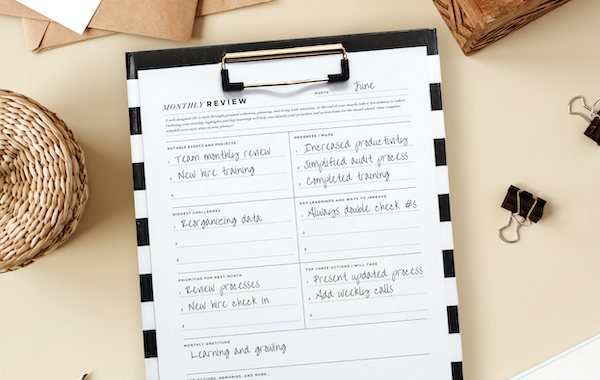
These tools work best when paired with calm routines and realistic expectations. The goal is not perfection, but helping kids build skills they can carry with them long after the tools themselves are gone.
Until Next Week…
The skills kids use every day often matter more than the ones that show up on report cards. When parents focus on building planning, time awareness, and follow-through, learning feels less stressful and more sustainable.
Thanks for joining us in raising kind, capable, and confident humans. We’re so glad you’re here.
❤️ Loved this issue? Have thoughts, questions, or topic ideas?
Share your vote below or drop us a note at [email protected].